CONSUMERS BEWARE! Our website has been fraudulently mirrored by a site lacuisinebozeman.shop We cannot honor orders placed on the fraudulent site. Please be careful. Please note our address is lacuisine-bozeman.com and our logo is in the top left corner.

Your cart

Your cart is empty

Check out these collections.

Chicken Stock

Chicken Stock

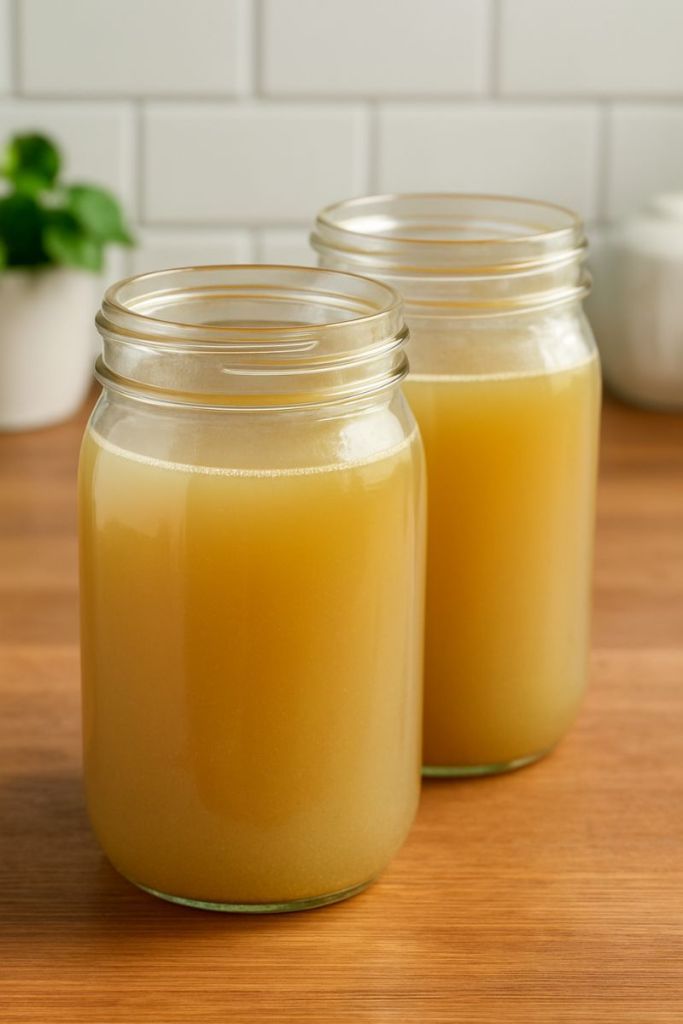
This easy home-made chicken stock recipe is intended to be used as an all-purpose base to be used in soups, stews, to cook grains, sauté vegetables, braise meats or enjoy on its own. It is light in flavor and texture and turns gelatinous when chilled! This recipe is a great way to use up the leftover bones from your roasted chicken or turkey! 

Previous post
Next post

Chicken Stock

Chefs Sarah Montaño-Sternberg and Aaron Sternberg

Servings

16-20 cups of broth

Prep Time

30 minutes

Cook Time

3-4 hours

Cuisine

American

Category

Soup

This easy home-made chicken stock recipe is intended to be used as an all-purpose base for soups, stews, cooking grains, sautéeing vegetables, braising meats or just enjoying on its own. It is light in flavor and texture and turns gelatinous when chilled. This recipe is a great way to use up the leftover bones from your roasted chicken or turkey!

Stock, Broth, & Bone Broth: What’s the difference?

● Stock is simmered for 4 to 6 hours with vegetables, aromatics, and animal bones, is unseasoned, has a rich flavor and gelled texture when chilled; it's used as a base for sauces, gravies, or stews, not served alone.

● Broth is a light, flavorful liquid made by simmering water with vegetables, aromatics, and animal meat/bones for a short period, typically 45 minutes to 2 hours, strained, seasoned, and enjoyed on its own or as a soup base.

● Bone broth, a hybrid of broth and stock, is made from roasted bones with meat, simmered for long periods of time, strained, seasoned, and consumed for its proven health benefits due to extracted collagen and nutritious vitamin & mineral compounds.

Chicken Stock

Ingredients

  • 6 pounds pastured chicken bones, necks and backs

  • 1 lb pastured chicken feet

  • 4 quarts cold filtered water

  • 2 quarts ice cubes

  • ½ lb carrots, cut into large dice

  • 4 sprigs thyme

  • 4 sprigs flat-leaf parsley

  • 1 bay leaf

  • 1 tbsp black peppercorns

  • Sea salt, to taste

blank

  • Stock Pot

  • Skimmer

Directions

  1. Rinse the chicken bones and chicken feet under cold water until the water runs clear. Make sure that all visible blood is removed from the bones. Check the bones to locate and remove any organs that might still be attached. The rinsing of blood and removal of organs will help eliminate proteins that could cloud your stock.

  2. You may blanch the bones if the water does not become clear from initial rinsing. To do this, place the bones, not including the feet, in a large stockpot, and add enough cold water to cover the bones by a few inches. Turn the heat to medium-high, and slowly heat the liquid. Using a fine-mesh strainer, skim any scum that rises to the surface. When the liquid starts to ripple, before it breaks into a boil, remove the pot from the heat. Do not boil the liquid; boiling in this first stage would extract the flavor that should be preserved for the long simmer.

  3. Drain the bones in a large colander and rinse under cold water. Thoroughly clean the same pot. Return the bones to the pot and add the chicken feet.

  4. Top with filtered water. Heat the pot over medium-high heat, and slowly bring the liquid to a tremble, skimming as soon as scum appears. When the liquid ripples, reduce the heat to medium-low and maintain a simmer, or smile. Do not let the liquid boil, as impurities will be emulsified in the liquid during the long simmer time.

  5. Continue to skim as necessary while the bones are simmering; the first hour of simmering is when most of the impurities will be apparent. Simmer for two-hours, skimming often.

  6. When the bones have completed their initial simmering time, add the onions, leeks, carrots, thyme, parsley, bay leaf, and peppercorns to the pot, and slowly return the liquid to a simmer. The aromatics will rise to the top, making it more difficult to skim, though it is important to continue the clarifying process. Skim by capturing particles that gather near the bubbling part of the liquid, leaving vegetables to simmer mostly undisturbed.

  7. Simmer until the vegetables are cooked through but not broken down, skimming often, about 90 minutes. Turn off the heat and leave the pot on the stove to rest, about 10 minutes. Any floating particles will settle to the bottom of the pot during this period.

  8. Set a fine-mesh strainer over a container large enough to hold the liquid contents of the pot. Line the strainer with cheesecloth. Carefully ladle the stock from the pot into the strainer, stopping short of and discarding any cloudy stock toward the bottom of the pot.

  9. Periodically remove the solids that accumulate in the basket to minimize impurities that could be forced through the strainer. Taste and season with sea salt.

  10. Ladle the stock into sterilized jars, filling only 2⁄3 of the way if you plan to freeze them. Rapidly chill the jars in an ice bath, stirring occasionally to expedite the process. Label and date. Refrigerate for up to 2 days or freeze for longer storage.