Ingredients
Tools
For the Steak
-
1 lb Picanha Steak*
-
2-3 tbsp kosher salt
For the Steak Rub
-
2 tsp coarse salt (maldon or kosher)
-
1 tsp crushed juniper berries
-
1 tsp ground coffee
-
1 tsp crushed black pepper
-
1 tsp garlic powder
-
¼ tsp mustard powder
-
1 tbsp brown sugar
For the Papas Fritas
-
3-4 lbs (local)
-
2 tbsp beef tallow (or avocado oil, ghee, butter, lard)
-
Splash of white vinegar or apple cider vinegar
-
salt
Papas Fritas Seasoning (optional)
For the Chimmichurri
-
1 tbsp coarse sea salt (or kosher)
-
4-5 cloves garlic
-
1 cup packed fresh, flat-leaf parsley
-
1 cup fresh cilantro
-
1 cup oregano leaves
-
1 tsp crushed red pepper flakes
-
2 tbsp red-wine vinegar
-
½ cup extra virgin olive oil
Directions
Prepare the Steak
The day before cooking - using a sharp knife, score the fat cap of the roast, create a cross-hatch, and sprinkle all sides evenly with coarse salt. Place in a shallow baking dish in the refrigerator loosely covered with parchment paper overnight.
About 45 minutes before cooking season the roast moderately on all sides with juniper steak rub. Allow the roast to come to warm up slightly at room temperature for a more even cooking.
Preheat the oven to 225°F, or prepare your pellet grill or smoker to a similar, indirect heat with atarget temperature of 200-225°F.
Once up to temperature, place the roast into the oven atop a rack on a baking sheet or directly on the grill. Regularly monitor the temperature of the middle of the roast, about every 30 minutes. Take the roast out of the oven when it reaches 10-15°F less than the temperature for the doneness you want. (About 1 hour +/-).
Wrap the roast in parchment paper and then foil and set aside to rest.
To finish, we will sear the steak: Preheat a cast-iron pan or grill to 500°F. Unwrap the roast and sear for no longer than 2 minutes a side. Cover with foil and let rest for at least 10-15 minutes. Carve the roast into thin steaks, against the grain and serve with chimichurri and papas fritas (directions to follow)
Papas Fritas
Clean and cut potatoes into large dice and soak in water for 30+ minutes (to remove starch).
Drain potatoes, place in a pot, cover with water + 1 inch and add a splash of vinegar and ~2 tbsp salt. Bring potatoes to a boil and lower to simmer until potatoes can be poked with a knife, but still firm. Turn off heat, and strain potatoes. Once cool enough to handle, coat potatoes lightly with tallow.
Preheat the oven to 480°F and preheat your sheet pan by placing it in the oven for about 10 minutes. When the sheet pans are nice and hot, carefully line with parchment paper. Arrange the potatoes atop the parchment on your now preheated sheet pan, remember to leave space or airflow. Roast potatoes in the oven for about 15 to 30 minutes, until they are golden brown on the outside. During this time, periodically turn the potatoes for even roasting.
When potatoes are out of the oven, toss in a bowl with seasoning immediately and serve while warm
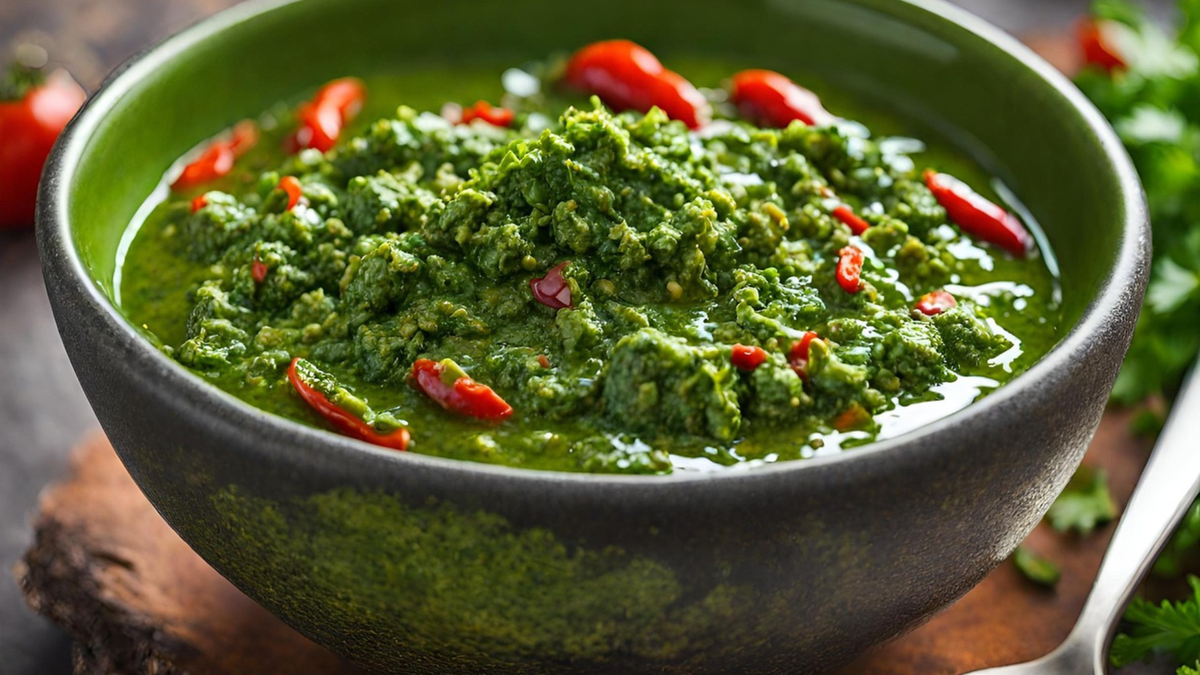
Chimichurri
Bring enough water (~1⁄4 cup) to a boil and add the salt, and stir until it dissolves. Remove from heat, and allow to cool.
Mince the garlic very finely, and put in a medium bowl. Mince the parsley, cilantro, and oregano, and add to the garlic, along with the red-pepper flakes.
Whisk in the red-wine vinegar, then the olive oil. Whisk in the salted water a little at a time until you like the flavor.
Transfer to a jar with a tight-fitting lid, and keep in the refrigerator. Let the flavors mingle for at least a day, and serve with grilled meats. The sauce can be kept refrigerated for up to 3 days.
Recipe Note
* Picanha steaks are cut from the Coulotte roast, also known as the sirloin cap, a delicious beef cut originating from the top sirloin region. This region lies toward the rear portion of the animal, spanning from the lower back to the hip. The Coulotte roast boasts a distinctive triangular shape and abundant marbling. When cooked, the outer layer of fat renders beautifully, enhancing each bite with rich flavor and succulence.
Where to find picanha steak? Ask your butcher! But, it is also known as a rump cap or sirloin cap.